
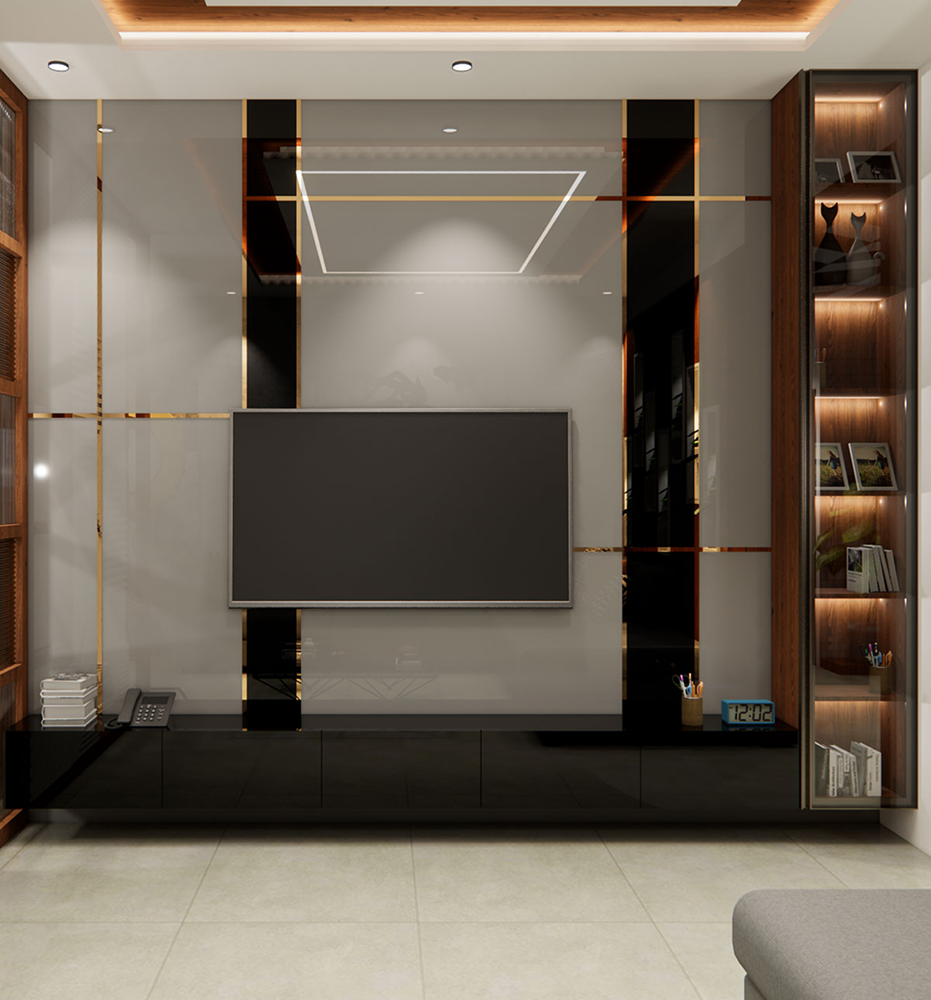
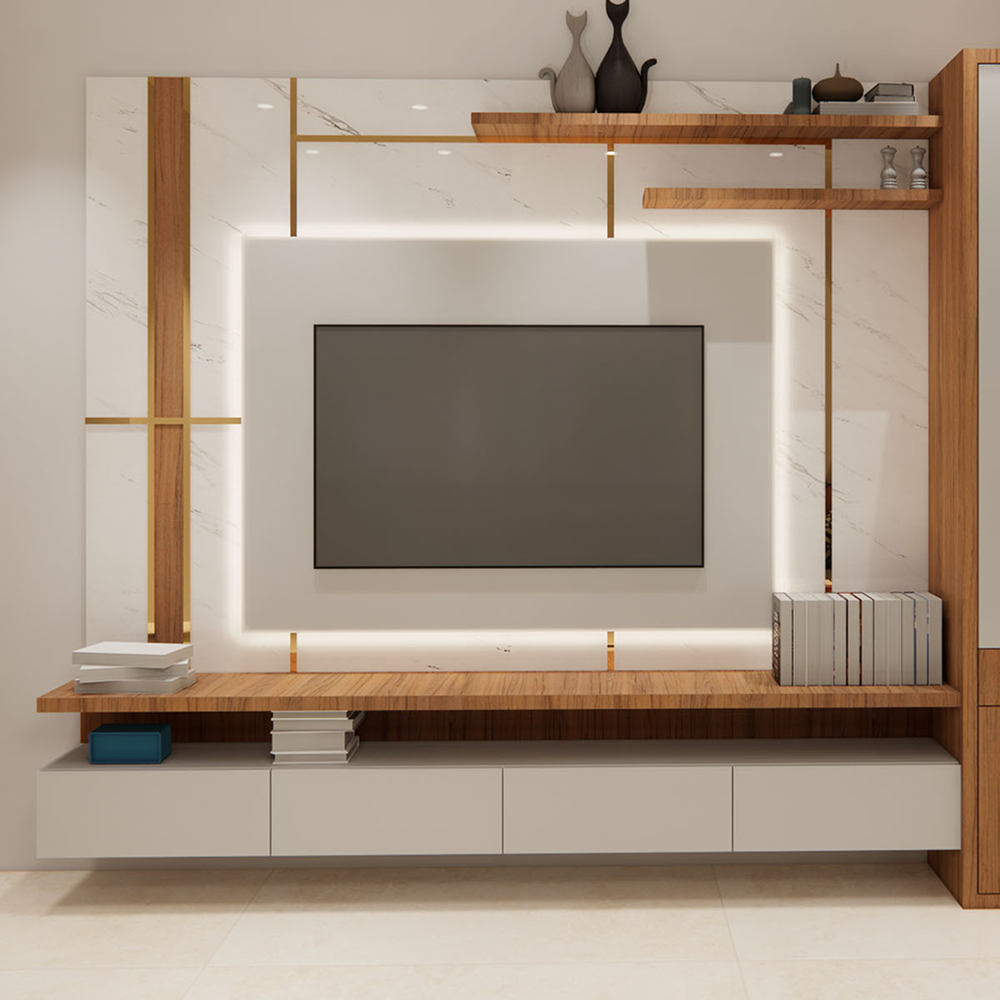
Stainless steel beading profile
Add sophistication to your interior spaces with our premium stainless steel beading profiles. Create clean transitions between surfaces, protect edges from damage, and enhance the visual appeal of any room with sleek profiles that complement modern design aesthetics.
- Size: 10 feet
- Thickness: 6mm to 25mm
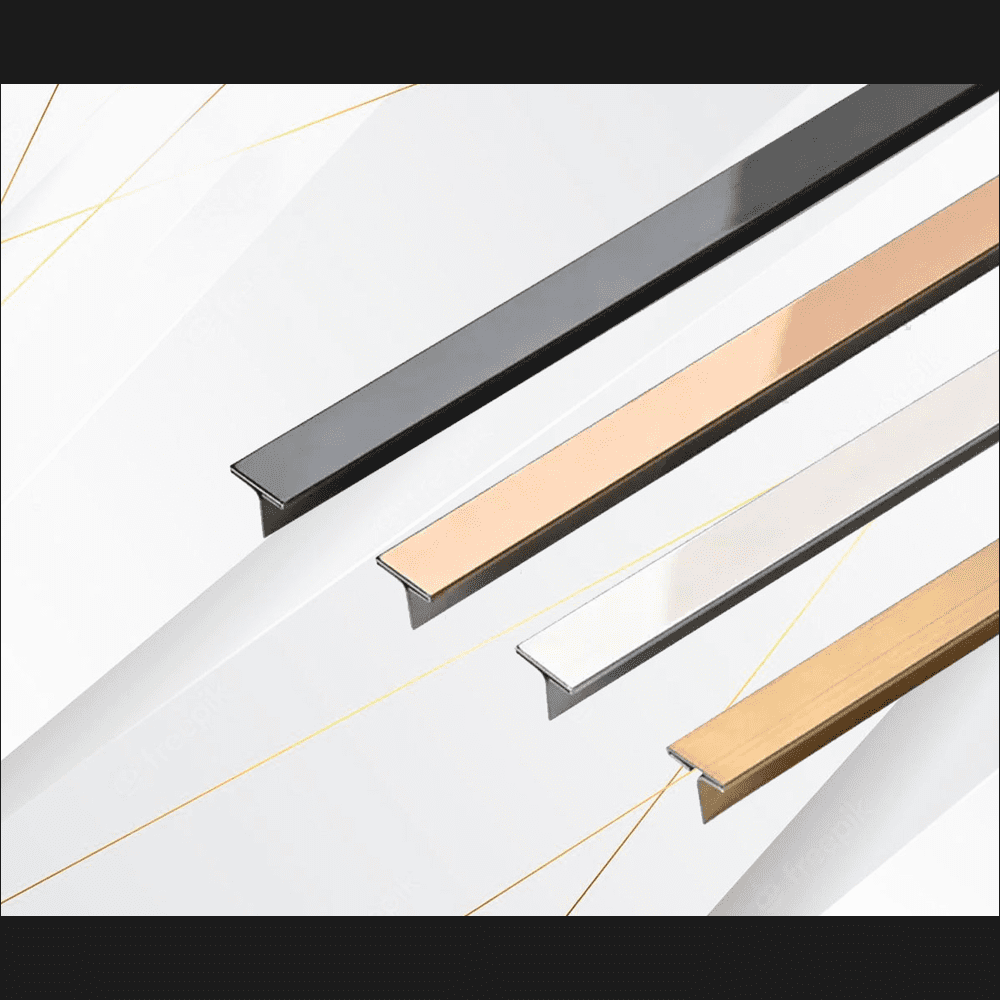
- Colors: Black, Stainless Steel, Gold, Rose Gold
- Finish: Satin, Matt, Glossy
- Design: T Profile, U Profile, L Profile
Stainless steel beading is a decorative and functional trim used to create clean lines, protect edges, and enhance joints between different surfaces in interior spaces. Our SS beading profiles deliver professional grade finishing that elevates the appearance of living room walls, floors and countertops while providing exceptional durability.
The corrosion resistant properties ensure lasting performance in kitchens and bathrooms. Each profile is engineered for seamless installation with clean corners and joints to add a modern touch to your interiors.
How do I choose the right SS beading profile type?
T profiles work best for joining two surfaces at right angles, creating a visible trim. U profiles are ideal for capping and protecting the edges of materials like glass, wood panels, or tiles. L profiles excel at corner protection and creating clean angular transitions between perpendicular surfaces. Consider your specific application and aesthetic preferences when selecting.
How does thickness affect the beading's performance?
Thicker beading (15-25mm) provides stronger edge protection and creates more prominent design features, ideal for high traffic areas or when making a bold statement. Thinner profiles (6-12mm) offer subtle, elegant finishing that integrates seamlessly with minimalist designs.
Will stainless steel beading rust or corrode?
Our high quality stainless steel beading is highly resistant to rust and corrosion. However, in environments with high chlorine content (like indoor pools), we recommend periodic maintenance to preserve the finish.
How do I install stainless steel beading?
Installation varies by application but typically involves either adhesive mounting or mechanical fastening. For tile applications, the beading is usually installed simultaneously with the tiles using the same adhesive. For retrofitting existing surfaces, high quality construction adhesive specifically rated for metal to surface bonding works best.